Welcome to Earthquake Guide, your ultimate resource for understanding seismic activity and ensuring your safety during unpredictable events. Here, we dive deep into the world of earthquake insurance policy reviews, offering you expert insights and real customer experiences that reveal the hidden truths of coverage options. Are you prepared for the shaking? As you explore our latest article, you'll uncover essential strategies to protect yourself and your loved ones. Join us on this journey of empowerment and knowledge—your safety is just a click away!
Introduction to Earthquake Insurance Policy Reviews
Earthquakes pose significant risks, particularly in seismically active regions, making earthquake insurance a critical consideration for homeowners and renters. As natural disasters can lead to devastating property damage, understanding the nuances of earthquake insurance policies is essential for effective financial preparedness. This article delves into earthquake insurance policy reviews, offering insights into customer experiences and opinions.
By exploring various reviews, potential policyholders can make informed decisions about which insurance providers best meet their needs. Furthermore, we will discuss how these reviews serve as a valuable resource for evaluating policy terms, coverage options, and overall customer satisfaction, ultimately empowering readers to secure their financial future against seismic threats.
Understanding Earthquake Insurance: An Overview
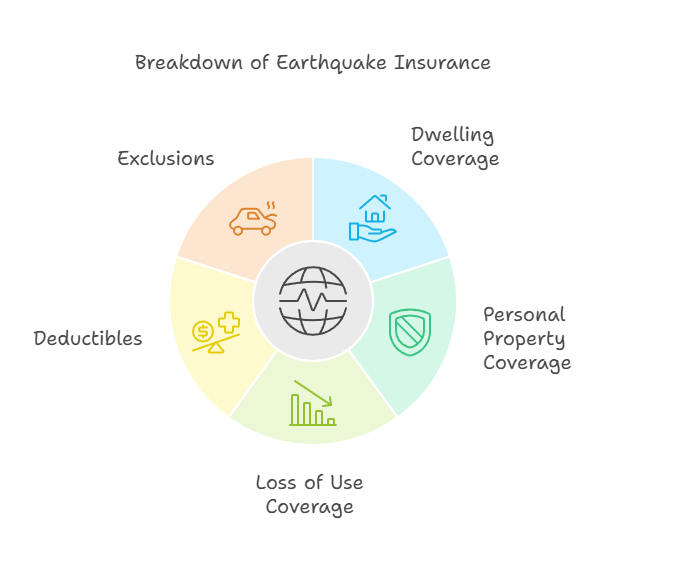
Earthquake insurance is a specialized coverage designed to protect property owners from the financial impacts of seismic events. Unlike standard homeowners' insurance, which often excludes earthquake damage, this policy covers structural damage, personal property, and additional living expenses incurred due to displacement. Here are some key aspects to consider:
Coverage Options:
Dwelling Coverage: Protects the structure of the home.
Personal Property Coverage: Covers contents within the home.
Loss of Use Coverage: Assists with living expenses if the home becomes uninhabitable.
Deductibles:
Earthquake insurance policies often come with higher deductibles than typical homeowners' insurance, usually ranging from 10% to 20% of the total coverage amount.
Exclusions:
Policies may not cover certain types of damage, such as flooding or landslides, which can accompany earthquakes.
Understanding these elements is crucial for evaluating different earthquake insurance options available in the market.
Importance of Customer Reviews in Choosing Insurance Policies
Customer reviews play a pivotal role in the decision-making process when selecting an earthquake insurance policy. These reviews not only provide insights into the experiences of existing policyholders but also highlight the strengths and weaknesses of specific insurance providers. Here are some reasons why customer reviews are indispensable:
Real-Life Experiences:
Reviews reflect actual claims experiences, helping potential buyers gauge the reliability of the insurer during critical times.
Service Quality:
Feedback on customer service can reveal how well insurers handle inquiries and claims, which is vital during stressful situations following an earthquake.
Policy Clarity:
Reviews often address the clarity and transparency of policy terms, allowing customers to avoid hidden fees or ambiguous conditions.
Comparative Analysis:
By analyzing multiple reviews, consumers can compare different policies and choose one that aligns with their specific needs and budget.
Incorporating customer reviews into the evaluation process enhances the overall understanding of earthquake insurance policies, allowing individuals to make informed and confident decisions regarding their financial protection against seismic events.
Types of Earthquake Insurance Policies
When it comes to safeguarding your property against seismic events, understanding the types of earthquake insurance policies available is crucial. These policies differ in coverage, terms, and conditions, making it essential for potential policyholders to evaluate their options carefully. Below are the primary categories of earthquake insurance policies.
Standard Earthquake Insurance Policies
Standard earthquake insurance policies are designed to cover basic damages that may occur as a result of seismic activity. These policies typically include:
Dwelling Coverage: This protects the structure of your home against damages caused by earthquakes. It often covers the cost of repairs or rebuilding.
Personal Property Coverage: This component covers the loss or damage of personal belongings due to an earthquake. It may include furniture, electronics, and other valuables.
Loss of Use Coverage: If an earthquake renders your home uninhabitable, this coverage helps pay for additional living expenses, such as temporary housing and food costs.
It's important to note that standard policies often come with limitations. For instance, they may have a high deductible, typically expressed as a percentage of the home's value. This means that policyholders should prepare for substantial out-of-pocket costs before insurance kicks in.
Comprehensive Earthquake Coverage Options
Comprehensive earthquake coverage options offer broader protection compared to standard policies. These policies may include:
Extended Coverage for Additional Structures: This covers detached structures like garages, sheds, and fences from earthquake damage.
Increased Personal Property Limits: Comprehensive policies often provide higher limits for personal property, which can be vital for homeowners with extensive personal possessions.
Coverage for Natural Disaster Losses: In addition to earthquakes, some comprehensive policies cover other natural disasters, providing a more all-encompassing safety net.
The comprehensive approach is particularly beneficial for those living in high-risk seismic zones. Homeowners should evaluate the trade-offs between the cost of premiums and the extent of coverage provided to determine which option best suits their needs.
Differences Between Private and Government Policies
When considering earthquake insurance policies, it’s important to differentiate between private and government options. Each has distinct features that can significantly impact coverage and pricing.
Private Policies:
Flexibility: Private insurers often offer customizable policies that allow homeowners to tailor coverage to their specific needs.
Market Competition: The presence of multiple private insurers can lead to competitive pricing and varied options for customers.
Underwriting Criteria: Private companies may impose stricter underwriting standards, which can affect eligibility and premium costs.
Government Policies:
Standardized Coverage: Government policies tend to have standardized terms and conditions, making it easier to understand coverage.
Accessibility: These policies may be more accessible to homeowners who struggle to obtain coverage through private insurers due to high-risk assessments.
Limited Customization: While they provide essential coverage, government policies often lack the flexibility and customization options available through private insurers.
Understanding these differences is essential for making an informed decision regarding earthquake insurance policies. Homeowners should assess their risk level, financial situation, and personal preferences before selecting the right policy.
Top Earthquake Insurance Providers and Their Policies
State Farm: Customer Experiences and Policy Features
Coverage Options and Benefits
State Farm offers a range of coverage options for earthquake insurance, featuring a customizable approach that allows policyholders to tailor their plans according to specific needs. Key benefits include:
Dwelling Coverage: Protects the structure of the home against earthquake damage.
Personal Property Coverage: Covers personal belongings, including furniture and electronics, that may be damaged during an earthquake.
Loss of Use Coverage: Provides financial assistance for living expenses if the home becomes uninhabitable due to earthquake damage.
Policyholders often appreciate the clarity of State Farm’s policy documents, which outline coverage limits and exclusions in detail. However, it’s important to note that coverage may vary by state, and some areas may have higher premiums due to increased risks of seismic activity.
Customer Satisfaction Ratings
Customer satisfaction ratings for State Farm typically reflect a positive experience. According to the latest surveys, State Farm maintains an average customer satisfaction score of 4.5 out of 5. Factors contributing to this score include:
Claims Processing: Many customers report efficient claims handling, often receiving payouts in a timely manner.
Customer Service: State Farm is often praised for its knowledgeable agents who provide personalized support.
However, some customers have noted discrepancies in premium pricing and coverage explanations, which may lead to confusion regarding policy limits.
Pros and Cons of State Farm
Pros
Comprehensive coverage options tailored to individual needs.
High customer satisfaction ratings and strong claims support.
Established reputation as a leading insurance provider.
Cons
Premiums may be higher in high-risk seismic zones.
Variability in policy features and coverage based on state regulations.
Allstate: Insights from Policyholders
Key Features of Their Earthquake Insurance
Allstate's earthquake insurance policies are designed to provide extensive protection against seismic events. Key features include:
Extended Replacement Cost: This ensures that policyholders can rebuild their homes at current market values, even if costs exceed the original policy limit.
Coverage for Detached Structures: Policies can cover additional structures such as garages and sheds, which may also be susceptible to earthquake damage.
Optional Coverage Enhancements: Policyholders can add endorsements for personal property and loss of use, increasing their overall coverage.
Customers often commend Allstate for its flexibility in policy options, allowing them to choose the right level of protection based on their unique circumstances.
Real Customer Testimonials
Feedback from Allstate policyholders is generally favorable. Many highlight the following aspects:
Responsive Claims Service: Customers report that claims representatives are readily available and provide clear guidance throughout the claims process.
Educational Resources: Allstate offers various tools and resources that educate policyholders about earthquake preparedness, which is a valued aspect of their service.
However, there are also mixed reviews regarding premium costs, with some customers feeling that they pay a premium for the level of service received.
Advantages and Disadvantages of Allstate
Advantages
Flexible policy options that cater to diverse needs.
Strong support and educational resources for earthquake preparedness.
Reputable claims processing and customer service.
Disadvantages
Premium costs may be perceived as high for certain demographics.
Some customers report confusion regarding coverage limits and terms.
Both State Farm and Allstate offer valuable earthquake insurance policies, each with its unique strengths and potential drawbacks. Understanding customer experiences can aid prospective policyholders in making informed decisions about their earthquake insurance options.
Farmers Insurance: What Customers Are Saying
Farmers Insurance is recognized for its comprehensive earthquake insurance policies that cater to a diverse clientele. The feedback from customers often highlights their satisfaction with the coverage options and the customer service experience. However, as with any provider, there are varied opinions on the effectiveness and value of their policies. This section dives into the unique selling points of Farmers Insurance, the feedback received from actual clients, and an assessment of the strengths and weaknesses of their offerings.
Unique Selling Points of Their Policies
Farmers Insurance offers several unique selling points that differentiate their earthquake insurance policies from competitors:
Comprehensive Coverage Options: Farmers provides policies that cover not only the structure of the home but also personal property and additional living expenses if the home becomes uninhabitable due to an earthquake.
Customization: Customers can tailor their policies to fit their specific needs, with options to adjust deductibles and coverage limits based on individual circumstances and risk assessments.
Bundling Discounts: Farmers encourages customers to bundle their earthquake insurance with other types of insurance, such as homeowners or auto insurance, often leading to significant savings.
Expert Guidance: The company prides itself on having knowledgeable agents who can help clients understand their policies and the nuances of earthquake coverage, ensuring informed decisions.
Claims Process: Farmers Insurance emphasizes a streamlined claims process, which aims to reduce the stress associated with filing after an earthquake event.
Feedback from Actual Clients
Customer feedback on Farmers Insurance's earthquake policies is varied, with both positive and negative experiences shared:
Positive Reviews:
Many clients appreciate the clarity and transparency of policy details, which helps them understand their coverage fully.
Some customers have praised the promptness of claims processing, noting that Farmers handled their claims efficiently after an earthquake event.
The knowledgeability of agents is frequently mentioned, with clients feeling supported and well-informed throughout their policy lifecycle.
Negative Reviews:
A segment of clients has expressed dissatisfaction regarding the cost of premiums, stating that they find them to be higher compared to some competitors.
Some feedback points to delays in customer service response times, particularly during high-demand periods after significant earthquake events.
A few clients have reported feeling that the deductibles were higher than expected, which impacted their payout during claims.
Assessment of Strengths and Weaknesses
When evaluating Farmers Insurance's earthquake policies, it is essential to weigh their strengths against the weaknesses:
Strengths
Weaknesses
Comprehensive and customizable coverage options
Higher premium costs compared to some competitors
Strong customer support with knowledgeable agents
Occasional delays in customer service responses
Efficient claims processing and support
Higher deductibles that may limit payouts
Discounts for bundling with other insurance types
Some clients report dissatisfaction with claims
Farmers Insurance presents a robust offering for earthquake insurance, characterized by strong customer support and comprehensive coverage. However, potential customers should consider the balance between premium costs and the level of coverage, alongside the customer service experience, to determine if it aligns with their needs and expectations.
Comparing Earthquake Insurance Policies: A Customer Perspective
Key Factors to Consider When Reviewing Policies
When evaluating earthquake insurance policies, customers should prioritize several key factors that could significantly influence their decision-making process. Understanding these components can lead to more informed choices and better coverage.
Coverage Limits and Deductibles
Coverage Limits: This refers to the maximum amount an insurance company will pay for damages. Policies often have varying limits based on the structure's value and geographic risk exposure. It's crucial for customers to select a policy that offers adequate coverage in line with potential repair or rebuilding costs.
Deductibles:This is the portion of the claim that the policyholder must pay out-of-pocket before the insurance coverage kicks in. Policies might feature different deductible options, ranging from a percentage of the total coverage limit to a fixed dollar amount. Higher deductibles can lower premiums but may result in substantial out-of-pocket costs during a claim.
Premium Costs and Payment Options
Premium Costs: The cost of earthquake insurance premiums can vary widely based on factors such as location, property type, and the coverage amount. Customers should assess the premium in relation to the coverage offered and consider whether it's feasible within their budget.
Payment Options: Many insurance providers offer flexible payment plans, including monthly, quarterly, or annual payment schedules. Understanding these options can help customers manage their finances better, especially if the premium costs are significant.
Claims Process and Customer Support
Claims Process: A transparent and efficient claims process is vital for policyholders. Customers should research how claims are filed, the documentation required, and the typical timeframes for processing claims. A streamlined process can significantly reduce stress during recovery after an earthquake.
Customer Support: Good customer support can make a considerable difference, particularly during emergencies. Customers should consider how accessible the insurance provider is, whether there are dedicated support teams for earthquake claims, and if there are multiple ways to contact them (phone, email, chat).
Customer Reviews: What Do They Highlight?
Customer reviews provide valuable insights into the real-world performance of earthquake insurance policies. Analyzing this feedback can reveal strengths and weaknesses that may not be apparent from policy descriptions alone.
Common Themes in Feedback
Ease of Understanding: Many customers appreciate policies that are straightforward and easy to understand. Complex terms or conditions can lead to confusion and dissatisfaction.
Transparency: Reviews often highlight the importance of transparency regarding coverage details and exclusions. Customers tend to favor companies that clearly outline what is and isn't covered.
Positive Experiences with Claims
Quick Payouts: Positive reviews frequently mention customers' satisfaction with timely claim payments, allowing them to begin repairs or rebuilding without extended delays.
Supportive Agents: Customers often express appreciation for insurance agents who are knowledgeable, empathetic, and supportive during the claims process. This can greatly enhance the overall experience during difficult times.
Issues Faced by Policyholders
Claim Denials: A common complaint involves claim denials based on policy exclusions that customers felt were not clearly communicated. This highlights the need for thorough policy reviews before purchasing.
Slow Claims Processing: Some reviews indicate frustration with delays in processing claims, which can exacerbate the stress after an earthquake. Customers value insurers who prioritize efficient claims handling.
When evaluating earthquake insurance policies, it's essential to consider coverage limits, deductibles, premium costs, payment options, claims processes, and customer support. By analyzing customer reviews, prospective policyholders can gain insights into the reliability of different providers and make informed decisions about the best coverage for their needs.
The Role of Customer Reviews in Selecting an Earthquake Insurance Policy
Customer reviews play a crucial role in the decision-making process when selecting an earthquake insurance policy. As potential policyholders navigate through their options, these reviews provide not only insights into the experiences of others but also highlight the strengths and weaknesses of various insurance providers.Let’s delve into how these reviews influence policy choices and the importance of transparency and trust in the insurance industry.
How Reviews Influence Policy Choices
Reviews serve as a valuable resource for prospective buyers, allowing them to make informed decisions based on real-life experiences. Here are several ways in which customer reviews impact the selection of earthquake insurance policies:
Personal Experiences: Customers often share their stories regarding claims processes, customer service interactions, and overall satisfaction. These narratives can provide context that is often missing from standard policy descriptions.
Rating Systems: Many review platforms employ rating systems, where customers can rate their insurance provider on a scale. This numerical representation can quickly guide potential buyers toward more reputable companies. For instance, a provider with a 4.5-star rating is likely to be more trustworthy than one with a 2-star rating.
Common Issues: Reviews frequently highlight recurring problems, such as delays in claims processing or lack of coverage for specific types of damage. By identifying these patterns, consumers can avoid pitfalls associated with certain policies.
Comparison: Reviews often compare multiple providers, offering insights into which companies offer the best coverage for specific needs or geographic areas. This comparative analysis can simplify the selection process for consumers.
Trust Building: Positive reviews can enhance the credibility of an insurance provider, making potential customers more likely to consider their policies. Conversely, numerous negative reviews can deter consumers from even exploring a company's offerings.
Importance of Transparency and Trust in Insurance
Transparency and trust are foundational elements in the relationship between insurance providers and policyholders. In the context of earthquake insurance, where the stakes can be incredibly high, these factors become even more critical.
Clear Policy Terms: Customers value clarity in policy documents. Insurance providers that openly communicate their terms, conditions, and exclusions foster trust. When potential policyholders can easily understand what is covered and what is not, they can make more confident choices.
Reputation Management: Providers that actively respond to customer reviews—both positive and negative—demonstrate their commitment to customer satisfaction. This engagement can bolster their reputation and reassure potential clients about their reliability.
Educational Resources: Insurers that provide educational materials about earthquake risks and preparedness are often viewed as more trustworthy. This transparency about the products they offer and the risks associated with earthquakes helps consumers feel more secure in their choices.
Regulatory Compliance: Trust is also built through compliance with industry regulations. Customers are more likely to choose providers that adhere to standards set by governing bodies, as this compliance indicates a commitment to ethical practices.
Customer reviews significantly influence the selection of earthquake insurance policies by providing insights into real experiences, identifying common issues, and facilitating comparisons. Transparency and trust are vital for building relationships between insurers and consumers, ultimately leading to informed decision-making in the complex world of earthquake insurance.
Conclusion: Making Informed Decisions Based on Earthquake Insurance Policy Reviews
Summary of Key Insights
As we delve into the findings of various earthquake insurance policy reviews, several key insights emerge that can guide consumers in making informed decisions.
Coverage Variability: Many reviews highlight the significant differences in coverage options available across policies. Some policies may offer comprehensive coverage that includes not just the structure but also personal property, while others may only cover the dwelling itself.
Deductibles and Limits: Customers frequently comment on the deductibles associated with their policies. Higher deductibles can lead to lower premiums, but they may also result in substantial out-of-pocket expenses during a claim. It's crucial to assess both the deductible amounts and coverage limits to avoid potential financial strain in the event of an earthquake.
Claims Process Experiences: The efficiency and transparency of the claims process are commonly discussed in reviews. Many customers report frustration with slow response times or unclear instructions during the claims process. Selecting a provider known for its responsive customer service can alleviate future stress.
Customer Support: The level of customer support offered is another critical factor. Reviews often mention how helpful and knowledgeable representatives are, which can make a significant difference in understanding policy nuances and navigating claims.
Pricing Trends: Customers have noted varying pricing trends based on geographic location and risk assessment. Areas with higher seismic activity typically see higher premiums, but customers can benefit from comparing multiple providers to find the best value for their specific needs.
Final Recommendations for Choosing the Right Policy
To effectively navigate the landscape of earthquake insurance and make the best choice for your situation, consider the following recommendations:
Conduct Thorough Research: Take the time to read multiple earthquake insurance policy reviews from different sources. Look for trends in customer satisfaction and common issues raised by policyholders.
Compare Multiple Policies: Utilize comparison tools or consult with insurance agents to evaluate different policies side-by-side. Pay close attention to coverage details, deductibles, limits, and exclusions.
Evaluate Your Needs: Assess your specific risks based on your location and property type. Consider factors such as the age of your home, its structural integrity, and proximity to fault lines when choosing coverage.
Ask Questions: Don’t hesitate to reach out to insurance providers with questions about their policies, claims process, and customer service. Clarity at this stage can prevent surprises down the line.
Review Regularly: Earthquake risks and personal circumstances can change over time. Regularly reviewing and updating your policy ensures that you remain adequately covered.
By staying informed and proactive, you can choose an earthquake insurance policy that aligns with your needs, providing peace of mind in the face of seismic uncertainty.
Frequently Asked Questions
What is the purpose of earthquake insurance?
Earthquake insurance provides financial protection against damage caused by seismic activity. It helps cover repair costs and protects your property investment.
How can I find reliable earthquake insurance policy reviews?
To find reliable reviews, check consumer review websites, insurance comparison platforms, and forums where customers share their experiences with different policies.
What should I look for in an earthquake insurance policy?
When reviewing policies, consider coverage limits, deductibles, and exclusions. It's crucial to ensure that the policy aligns with your specific needs and location.
Are there any common complaints about earthquake insurance?
Common complaints include high premiums, limited coverage, and slow claims processing. It's essential to read reviews to understand these potential issues before purchasing.
How can I prepare for an earthquake in addition to having insurance?
In addition to insurance, prepare by creating an emergency plan, securing heavy furniture, and having an emergency kit ready. This helps ensure your safety during a seismic event.
Final Reflection: Understanding the Importance of Earthquake Insurance Policy Reviews
In today's unpredictable climate, the significance of earthquake insurance policy reviews cannot be overstated. As natural disasters become more frequent and severe, the insights shared by customers regarding their experiences with these policies serve as a crucial resource for potential policyholders. The voices of those who have navigated the complexities of earthquake insurance highlight not only the necessity of being prepared but also the importance of making informed decisions in the face of uncertainty.
The ongoing dialogue surrounding earthquake insurance reflects a broader cultural shift towards risk awareness and personal responsibility. As we witness communities grappling with the aftermath of seismic events, the feedback from customers becomes a vital part of the conversation. This collective wisdom can guide individuals in selecting policies that truly meet their needs. The best way to predict the future is to create it. — Peter Drucker. This quote resonates deeply in the context of earthquake insurance, reminding us that by learning from others' experiences, we can shape our own future security.
As you reflect on the insights shared in this article, consider how you can apply these lessons in your own life. Take the time to engage with reviews, ask questions, and educate yourself about the options available. Your proactive approach can make all the difference when it comes to safeguarding your home and loved ones. Embrace the opportunity to learn from others, and let their experiences empower you to make informed choices that will protect your future.
Don't Wait for the Next Tremor: Discover the Truth About Earthquake Insurance Now!
Thank you for being a valued member of the Earthquake Guide community! Your engagement means the world to us, and together, we can make informed decisions about protecting our homes and loved ones. If you found this article insightful, please share it on social media to spark conversations that can inspire and help others navigate the complexities of earthquake insurance. Don’t wait – start comparing different policies today to find what best suits your needs!
We encourage you to explore more valuable content on our website; every comment and suggestion you leave helps us tailor our resources to better serve you. Remember, applying the knowledge you've gained today can provide immense practical value in safeguarding your assets.
What has been your experience with earthquake insurance? Share your stories or thoughts in the comments below and join the conversation! Let's empower each other on this journey of preparedness!


 When it comes to safeguarding your property against seismic events, understanding the types of earthquake insurance policies available is crucial. These policies differ in coverage, terms, and conditions, making it essential for potential policyholders to evaluate their options carefully. Below are the primary categories of earthquake insurance policies.


 Customer reviews play a crucial role in the decision-making process when selecting an earthquake insurance policy. As potential policyholders navigate through their options, these reviews provide not only insights into the experiences of others but also highlight the strengths and weaknesses of various insurance providers. Let’s delve into how these reviews influence policy choices and the importance of transparency and trust in the insurance industry.
Deja una respuesta